Swiss Made
is much more than a label for us
With Marco Odermatt's remarkable success, Swiss ski brand Stöckli has reached new heights. In this exclusive interview with the Skiservice Magazine, CEO and co-owner Marc Gläser shares how much racing DNA goes into every ski Stöckli makes, what other factors drive its success, and why 'Swiss-made' is far more than just a label.
Categories:
Winter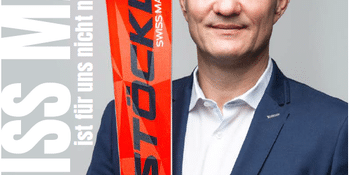
Marc Gläser was practically born into skiing: "Ever since I was a little kid, I have been fascinated by snow and skiing," he says, and adds, „I first got on skis when I was just three years old.“ Now 57, he has been CEO and co-owner of Switzerland's best-known ski brand, Stöckli, since 2014. Professionally, though, he came to the sport later; before joining Stöckli, he led a high-end Swiss watch brand.
Much like the country's finest watchmakers, Stöckli is deeply rooted in its Swiss identity. “Our Swissness is a key pillar of our success,” Gläser explains. “Swiss-made isn't just a label for us. Switzerland, with its innovation drive and highly skilled workforce, is the ideal place for development and production.”
Another cornerstone of success, says Gläser, is continuity. “To truly master something, you can't do it for just a year or two—it takes five, ten, or even more years.” That continuity extends to Stöckli‘s staff. “We train many of our specialists in-house,” Gläser explains, “and some stay with us from apprenticeship all the way to retirement.” Stöckli feels like a family; anyone familiar with the company will agree— and that family includes Marco Odermatt, who has raced on Stöckli skis since his junior days.
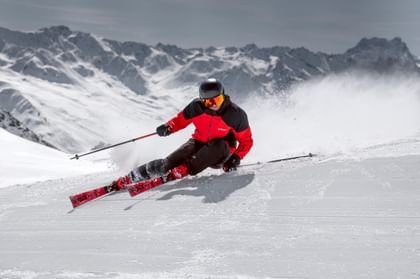
Marco Odermatt and Stöckli share a long and successful history. “Stöckli took me on their team when I was just eleven,” Odermatt recalled proudly in a 2020 interview with Skiservice Magazine. Ever since, he has ridden a phenomenal wave of success—becoming an Olympic champion, a world champion, and a multiple World Cup titleholder. Through it all, his commitment to Stöckli has never wavered. “We give him the best products and best service,” says Marc Gläser with quiet confidence when asked how the brand continues to keep the superstar in its fold. Odermatt returned the favour at the World Cup season opener
in Sölden in October—with yet another victory.
Success in ski racing runs deep at Stöckli: Alongside Odermatt, the company has built a national and international racing team that competes headto- head with those of global giants. In the alpine disciplines, the Swiss athletes Thomas Tumler, Alexis Monney, Lars Rösti and Jasmina Suter fly the Stöckli flag; in ski cross, the brand is nothing less than a global powerhouse—represented by the current world champion Fanny Smith from Switzerland and Engadine native Talina Gantenbein, but also Canadian Olympic champion Marielle Thompson, and Germany's Olympic and World Championship
medallist Daniela Meier.
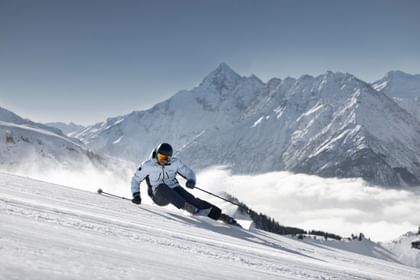
These top athletes don't just bring Stöckli oodles of media visibility; they also team up with the development team to help bring out better skis year on year. “Our best racers give us the most precise feedback on the skis they use,” explains Gläser. While true racing skis aren't suited to most recreational
skiers, innovations and materials that prove themselves in competition often find their way into serial production. Every Stöckli ski carries that racing DNA and the development expertise from Marco Odermatt and his teammates.
Yet Odermatt's value to Stöckli goes beyond his fame and his victories. “Marco and Stöckli are a perfect character match as well,” says Gläser. “Just like us and our products, he's downto- earth, honest, direct, and successful. He holds himself to the highest standards and, even as a champion, is always striving to improve. Marco is deeply rooted in Switzerland, yet has global appeal.”
Outside of Switzerland, Stöckli is regarded as a premium brand; while at home, it is what Gläser calls a love brand. The Swiss ski manufacturer has also gained a strong foothold in North America, with one in five skis produced at its factory in Malters, near Lucerne, exported to the U.S. Global trade tensions have been challenging, Gläser admits. Still, he remains optimistic, hoping the near future will bring clarity on the customs issue with the U.S. But Stöckli's home base is not up for discussion: “Stöckli is Swiss through and through—and that's not going to change.”